
APPRAISAL SERVICES
Fine Art & Personal Property Appraisals
Independent, defensible appraisals of paintings, antiques, furniture, decorative art and all residential contents for insurance, estates, tax reporting, charitable contributions, divorce, financial matters & other valuation needs.
An appraisal is more than an opinion of value.
When prepared correctly, it is an independent, well-researched document that supports important financial, legal, insurance, tax, and estate decisions.
Whether an appraisal is needed to establish appropriate insurance coverage, administer an estate, support a charitable contribution, divide property, evaluate collateral, or address another valuation need, the conclusions should rest on appropriate market research, recognized appraisal methodology, and clear supporting documentation.
Wharton Brown Art prepares fine art and personal property appraisal reports that are objective, impartial, unbiased, and appropriate to the intended use of each assignment — combining decades of experience, accredited credentials, academic expertise, and extensive market research.
When Is an Appraisal Needed?
There are many reasons a professional appraisal may be required. An insurance advisor may request updated values to establish appropriate coverage. An attorney, executor, trustee, or fiduciary may require an appraisal for estate administration, probate, or tax reporting. A lender may need an independent valuation for collateral purposes.
A family may have inherited artwork or personal property and need to understand what the collection contains and what it is worth. Other assignments arise from charitable contributions, divorce, damage or loss, bankruptcy, litigation, estate planning, and artists' estates.
Whatever the circumstances, the objective is the same
To provide an accurate, objective, and well-supported opinion of value appropriate to the intended use of the appraisal.
Wharton Brown Art appraisal reports are built upon:
- Independent, objective, impartial, and unbiased analysis
- Accurate identification and documentation of property
- Extensive market research
- Relevant comparable sales analysis
- Appropriate market selection
- Current or historically relevant market conditions
- Professional appraisal methodology
- Clear supporting documentation
- An appropriate definition of value for the intended use

Why a Professional Appraisal Matters
Not every valuation provides the same level of support.
Purchase receipts, auction estimates, online asking prices, and informal opinions may provide information about an object, but they do not necessarily constitute a professional appraisal suitable for use by an insurer, attorney, fiduciary, financial institution, court, or tax authority.
A professionally prepared appraisal requires the appraiser to first identify the appraisal problem and then conduct the research and analysis necessary to develop a supported conclusion.
The result is a clearly documented, well-supported report appropriate to the purpose for which it was prepared.
The Purpose of the Appraisal Determines the Approach
One of the most important principles of professional appraisal practice is that an object does not have one universal value for every circumstance. The appropriate definition of value depends on the intended use — and the effective date may differ, too. Some assignments require a current value; others require an opinion of value as of a specific historical date.
01
Replacement Value
Typically used to establish insurance coverage — the cost to replace an item with one of similar kind, quality, and condition within a reasonable time in the appropriate market.
02
Fair Market Value
Typically required for estate tax, charitable contribution, and equitable distribution assignments — the price at which property would change hands between a willing buyer and a willing seller.
Before beginning an assignment, we establish the appraisal problem:
Defining these elements correctly is fundamental to developing a credible appraisal.
What We Appraise
Appraisal expertise across a broad range of fine art, antiques, decorative arts, and personal property.

Fine Art
- — Paintings
- — Sculpture
- — Works on Paper
- — Prints
- — Photography
- — New Media
- — Other Fine Art
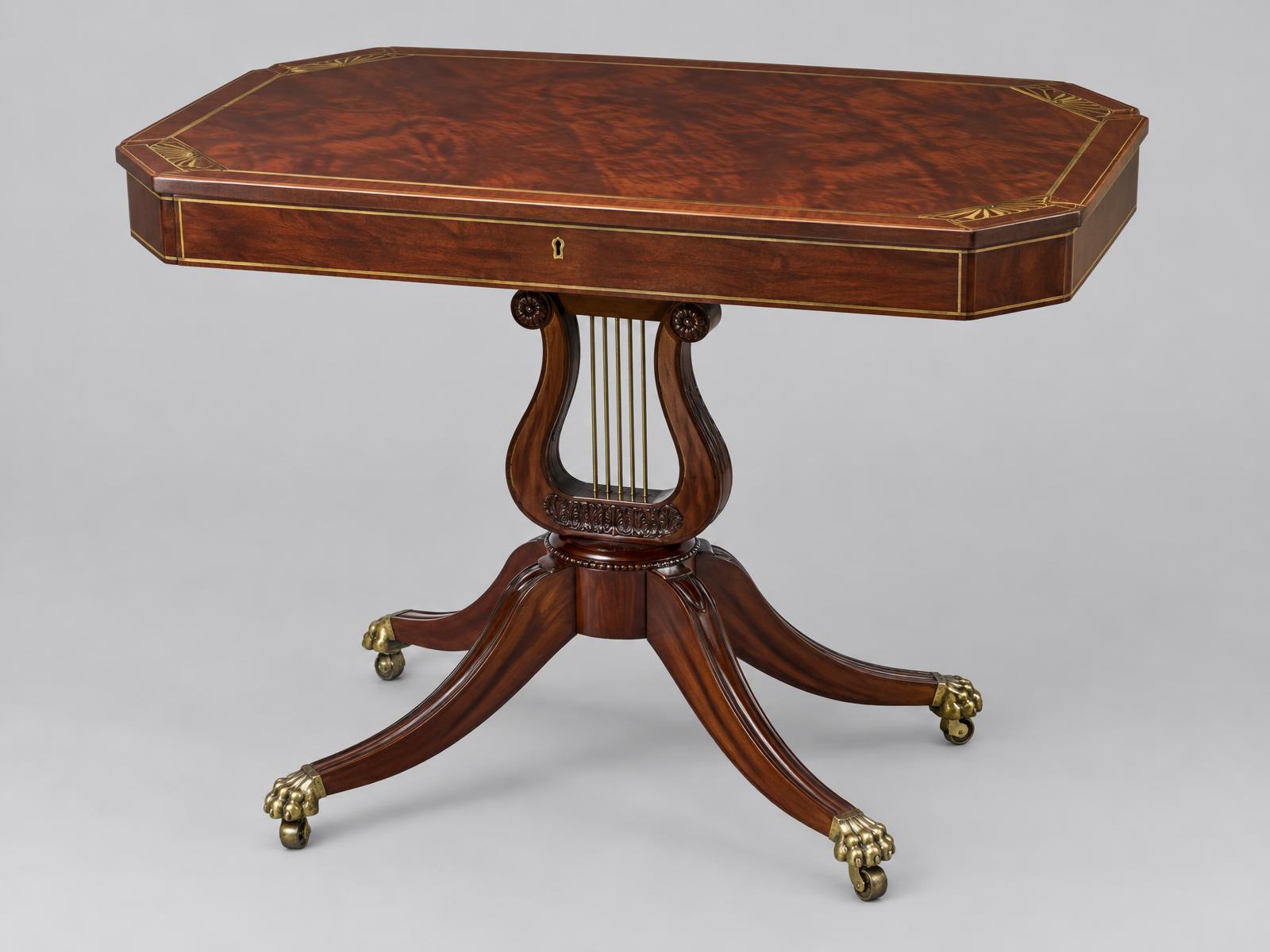
Antiques & Decorative Arts
- — Antique & Modern Furniture
- — Ceramics
- — Glass Art
- — Silver
- — Crystal
- — Lighting
- — Textiles
- — Decorative Objects

Personal Property & Collections
- — Residential Household Contents
- — Collectibles
- — Heirlooms
- — Furnishings
- — Private Collections
- — Corporate Collections
- — Institutional Collections
- — Artists' Estates & Archives
Assignments may involve a single significant object, the contents of a residence, or a complex collection of hundreds or thousands of works. When specialized expertise is required, we coordinate with qualified specialists through our professional network.
Types of Appraisals We Provide
Different valuation needs require different appraisal approaches.

Discuss Your Appraisal Needs
Tell us about the property and the purpose of the appraisal. We'll help determine the appropriate scope of work — whether in Indianapolis, across Indiana, or nationwide.
Request a Consultation